Gadgets & Workspaces · Story 5
Judge Learns Lawyers on Both Sides of Case Used AI, Cancels Trial, Kicks Everyone Off the Case
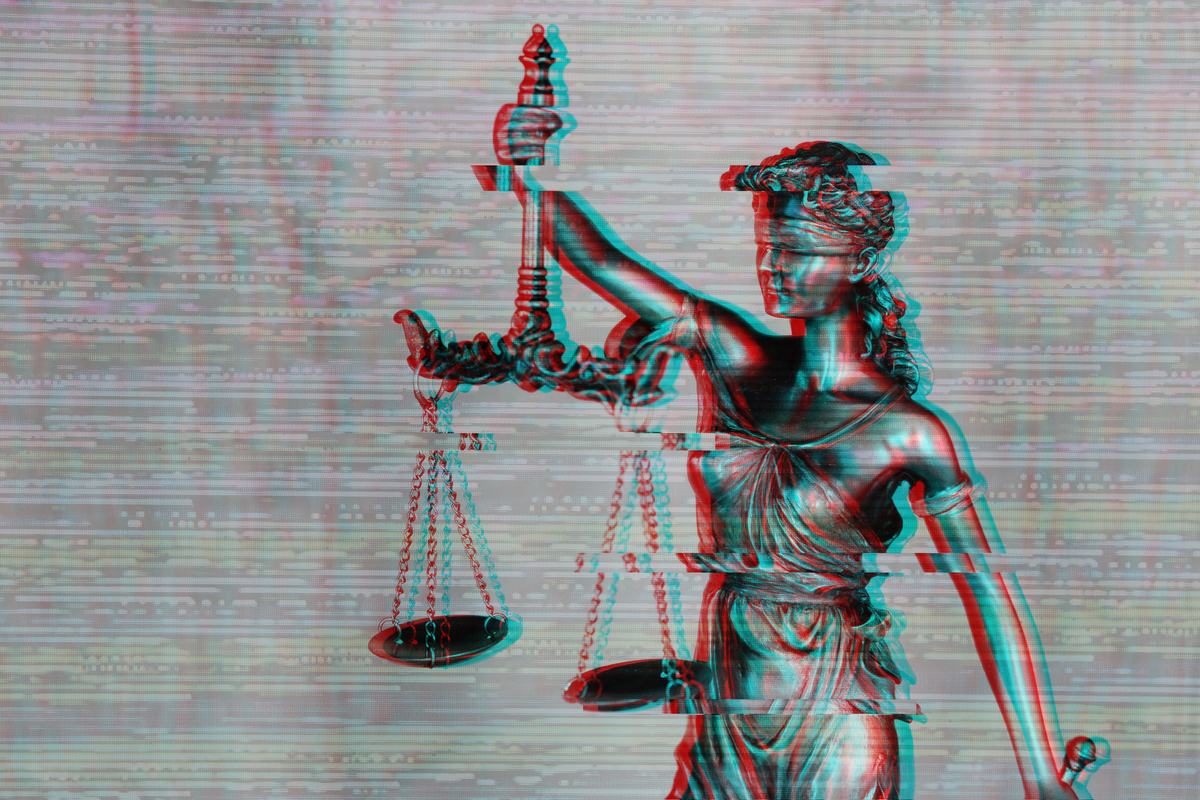
A federal judge in Mississippi canceled a trial and disqualified all four lawyers involved after discovering both sides had used AI to prepare filings, which resulted in citations of nonexistent, hallucinated cases. The judge imposed fines ranging from $1,000 to $3,500 and barred two of the lawyers from appearing before the court for two years.
The case highlights the growing risk of AI-generated errors in legal proceedings and raises questions about professional accountability, judicial trust, and whether current penalties are sufficient to deter lawyers from delegating core duties to unverified AI tools.
Key details
- The case involved a contractual dispute over unpaid legal fees between lawyer Tom Withers and the city of Aberdeen, Mississippi.
- Judge Sharion Aycock of the Northern District of Mississippi issued a sanctions order calling the situation 'a prime example of the risk associated with serving as a rubber-stamp.'
- All four lawyers on both sides were disqualified; two were barred from appearing before the court for two years, and each received fines between $1,000 and $3,500.
- The lawyer who first noticed the issue, Rob Freund, described the filings as a 'comedy of AI errors' with two clients effectively paying ChatGPT to argue against itself.
- The judge noted she is 'yet again burdened with addressing AI hallucinations court filings,' reflecting a broader judicial frustration with AI misuse.
Discussion angles
- Some commenters worry that judges themselves may start relying on AI without verifying sources, creating a dystopian cycle of rubber-stamped hallucinated citations.
- Many commenters argue that the fines are too small for what they consider perjury or serious misconduct, calling the punishment insufficient.
- A recurring question is whether clients whose cases are derailed by such AI errors can sue their lawyers for malpractice.
- One commenter points out that proving malpractice would require showing actual harm and financial loss, which may be difficult.
- Another commenter implies that even the Department of Justice uses AI frequently, suggesting the problem is widespread and not limited to private attorneys.
Top comments
Commenters were critical of the penalties, calling them too lenient for misconduct that amounts to perjury. They expressed concern about the broader implications of AI misuse in courts, including potential future rubber-stamping by judges. Many asked whether affected clients can sue for malpractice, and a few noted the difficulty of proving actual damages. One commenter suggested that government agencies also engage in similar AI use, indicating the issue is systemic.