Gadgets & Workspaces · Story 5
MIT Study Finds Gas Cars Aren't Secretly Better For The Planet Than EVs, Despite What Everyone On Facebook Says
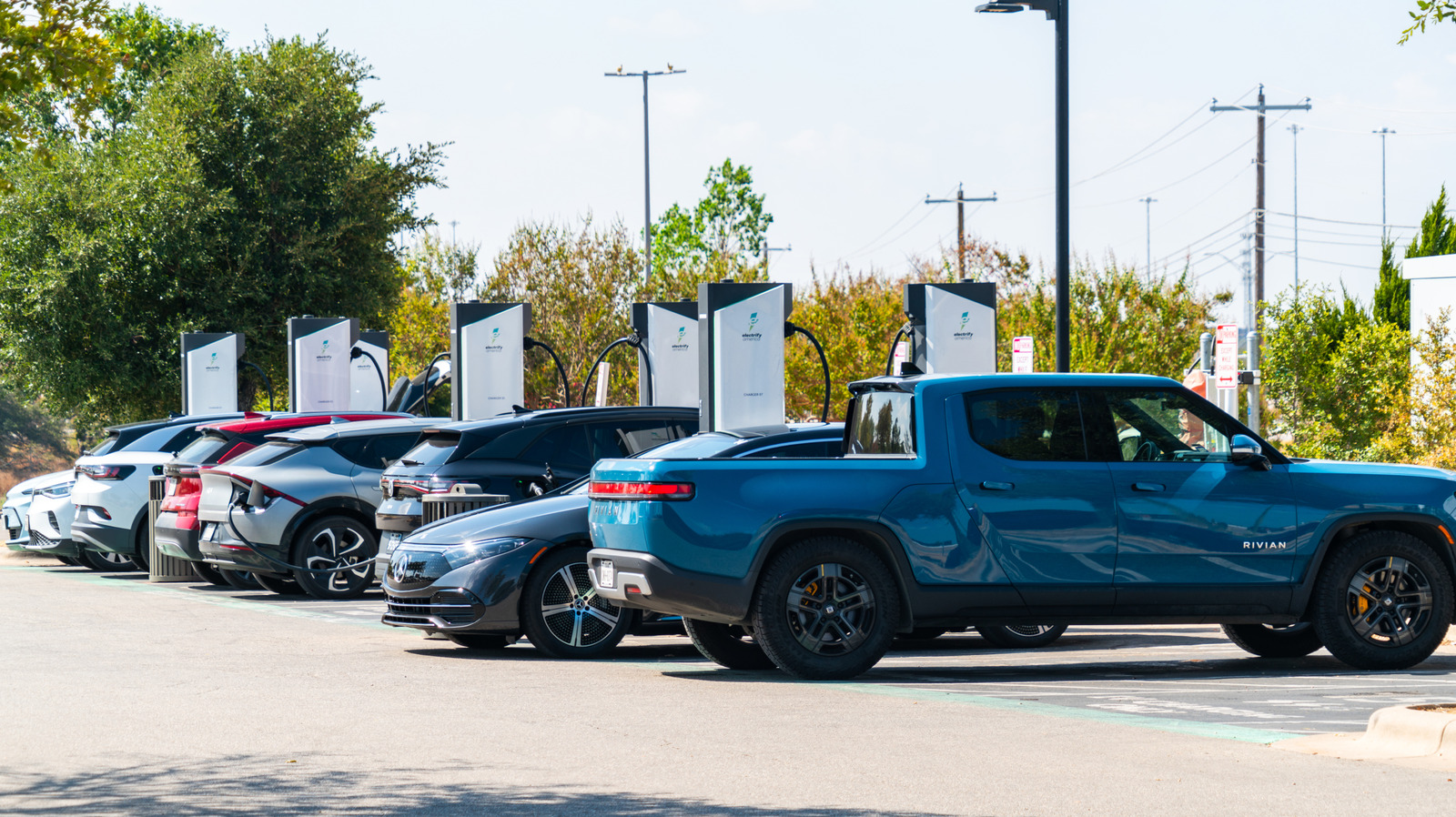
A new MIT study confirms that battery electric vehicles (BEVs) produce significantly fewer emissions than internal combustion engine vehicles (ICEVs) in most U.S. regions. Across all analyzed zip codes, BEVs typically save 40-60% of emissions, though savings can vary from 0% to 82% depending on the local electricity mix and driving patterns.
The study provides a rigorous, zip-code-level rebuttal to viral social media claims that electric cars are as harmful as gasoline vehicles. It underscores that the environmental benefits of EVs depend heavily on cleaning up the electricity grid, not on the cars themselves.
Key details
- BEVs save 40-60% of emissions compared to ICEVs in most locations, though savings range from 0% to 82% at the extremes.
- The local electricity mix is the largest factor determining regional variation in BEV emission savings.
- Plug-in hybrids (PHEVs) achieve 80-90% of BEV emission savings in urban areas but only 60% in rural areas, assuming regular charging.
- Cold winters have a larger relative impact on BEV fuel economy than on ICEVs, but only extreme climates substantially reduce BEV emission savings.
Discussion angles
- Sarcasm toward the study: commenters mock the need for an MIT study to confirm common sense, with top-rated comments like 'no fucking duh'.
- Rejection of Facebook expertise: multiple commenters express mistrust in Facebook as a source of climate science.
- Practical advice: one commenter recommends simply deleting Facebook to avoid misinformation.
- Skepticism about PHEV performance: commenters note the study's finding that PHEVs are less effective in rural areas and depend on regular charging.
- Focus on grid decarbonization: the article implies that the EVs' environmental benefits will increase as the U.S. electricity supply becomes cleaner.
Top comments
The comment section largely mocked the need for an MIT study to confirm what they view as obvious, with several users sarcastically questioning Facebook as a credible source and dismissing its trending claims.